
Adobe and I go together REAL BAD
But can I opt out of this GenAI “future”? I fear we’re losing the plot.

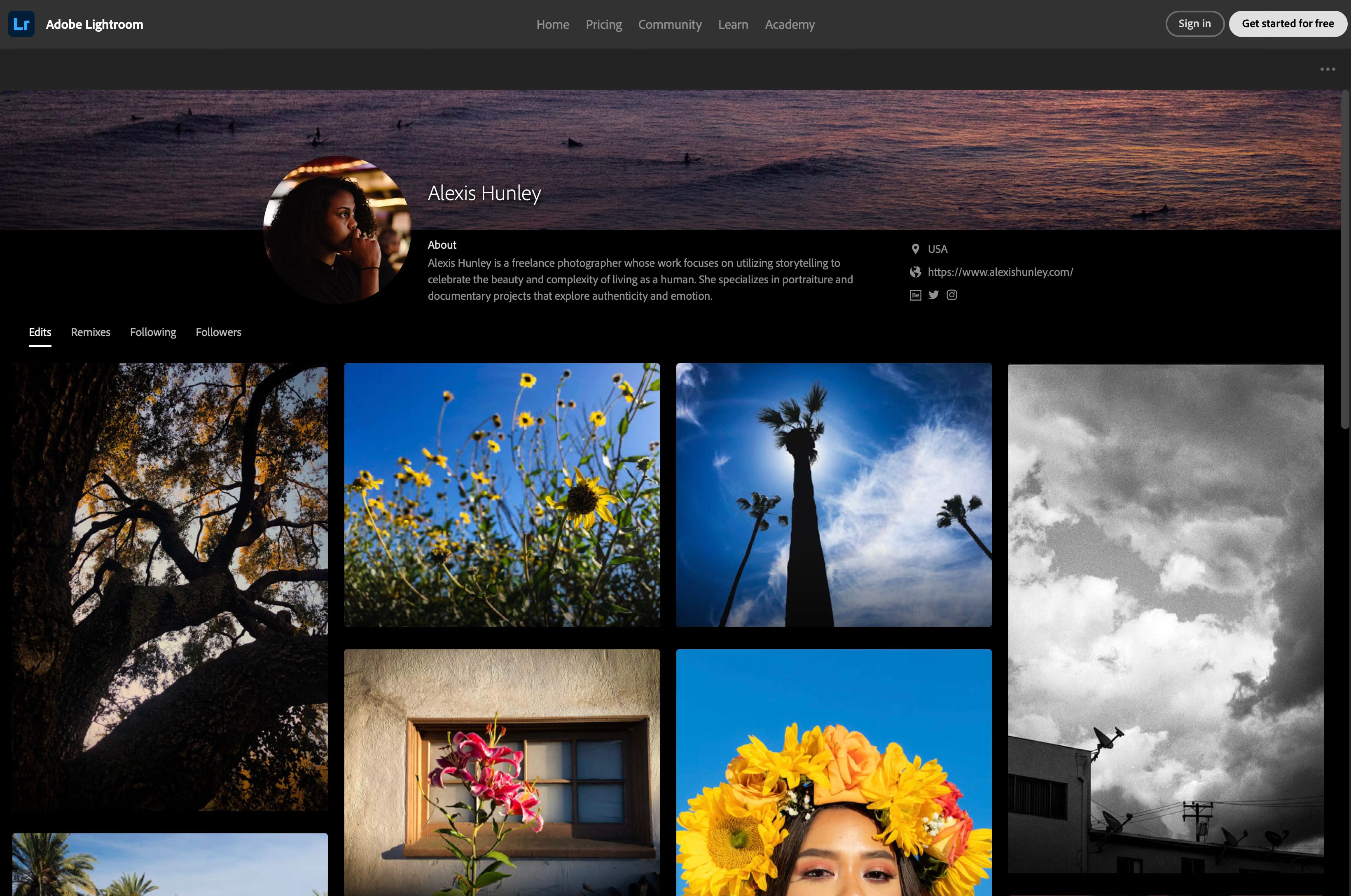
Let’s rewind a bit so I can provide a bit of context. It’s 2020. Pre-CALL ME ZZ, pre-archive and I am deep in the throes of a self-directed developmental period, doing everything I can to make this photography thing work. I had managed to land my first major editorial assignment with LA Magazine creating portraits with the incomparable Issa Rae and then I got the news I had been really waiting for: I had been selected to interview for the Adobe Creative Residency Program. It was one of those pivotal moments that validated that the effort I had put into growing as a photographer was finally materializing. Being flown up to Adobe HQ in San Francisco to tour the offices and meet the team was truly so special. Discussing my journey, my work, and my hopes for the future with people who were not only interested in what I had to share but also offered support was everything. I flew back to LA brimming with excitement. And then we went into COVID lockdown and everything changed.
The residency downsized and I soon found out that I wasn’t going to be offered a spot. I was devastated. At that point, we were in complete lockdown and I was terrified about how I was going to sustain myself financially. Without the ability to acquire new work, I started preparing myself mentally/emotionally to sell my camera and start looking for a job. What I didn’t know was that the folks at Adobe had other plans — they recognized that many artists were going to be in dire straits during the COVID lockdown and would need support. I received a message that I was being offered an Adobe Creative Residency Community Fund grant and would be supported in developing a project of my choosing. That single act of generosity changed the trajectory of my career. I unlisted my camera for sale and got to work documenting the COVID pandemic and Black Lives Matter movement.


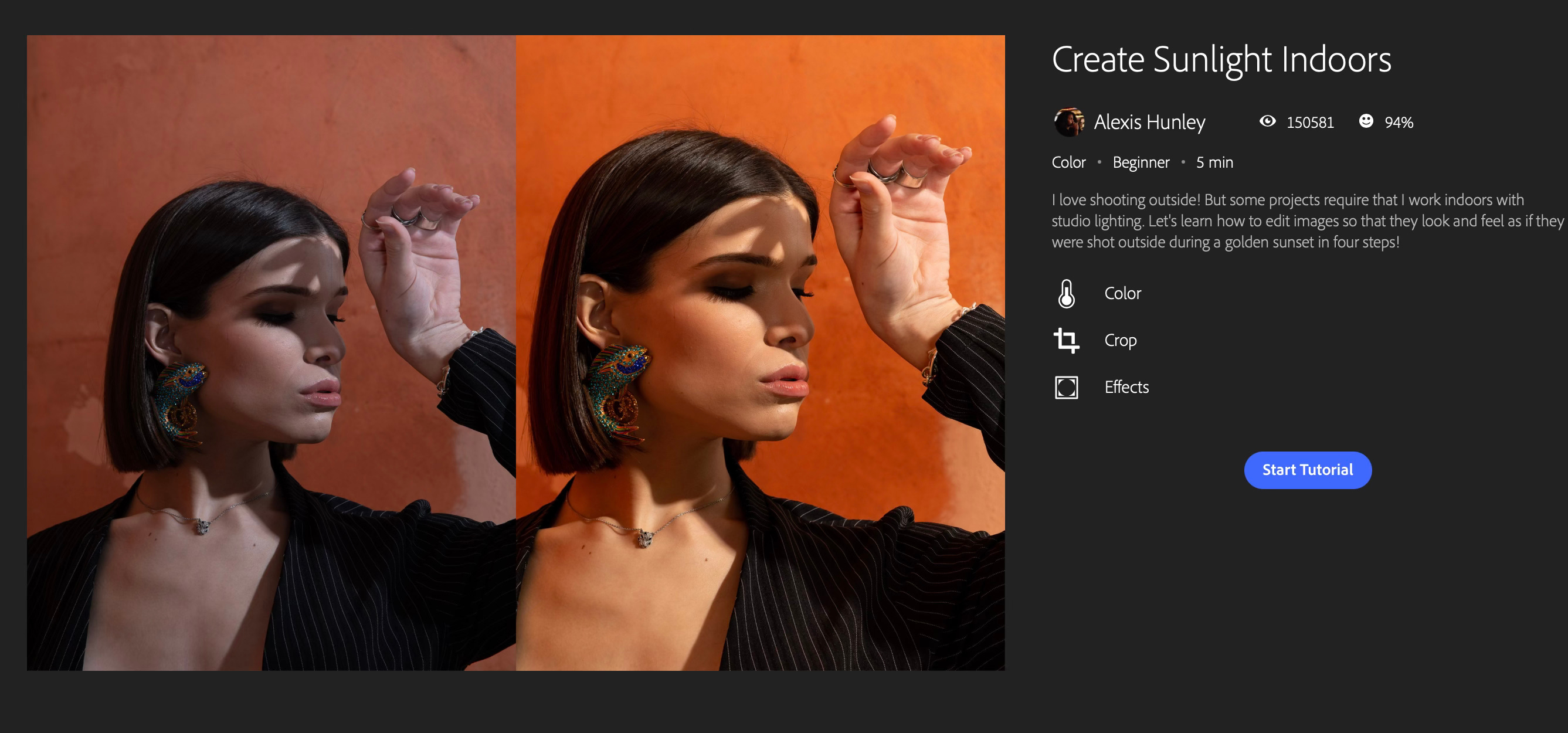
As opportunities began to pour in, Adobe was always there. The consistent support proved to be the beginning of a really wonderful, long lasting relationship that I cherish to this day. I’ve created tutorials and edits, spoke on panels, participated as a member of the Adobe Lightroom Advisory Board, attended VIP Photo Summits, and as of two weeks ago was invited to attend my very first Adobe MAX Conference. Adobe has been an integral part of my creative process from Day 1. My journey as a photographer began with me teaching myself how to use Lightroom Classic and Photoshop and since the development of my project CALL ME ZZ, has expanded to include a foray into the worlds of InDesign, Premiere, Bridge, and Frame. I’m a Creative Cloud girl through and through!
Adobe MAX 2025
Now if you know me at all, you know that although I am generally pretty open/relaxed about most things, I am unwilling to budge on anything that opposes or threatens my humanity or the humanity of others. I care deeply about people, the planet, and most things in between and often use that unabating love as my internal compass. All that to say — it’s been a bit uncomfortable sorting through my feelings post-MAX. I am immensely grateful for the opportunity to attend, to be treated with such care and regard by the Adobe teams (especially Adobe Lightroom team <3 ). I had A BLAST you hear me !! I yapped to my hearts content, chatting with so many wonderful creators from around the world and walked away with friendships that I truly cherish. What I’ve been struggling with is how do I balance the really wonderful experiences I had with the concerns that I left with…
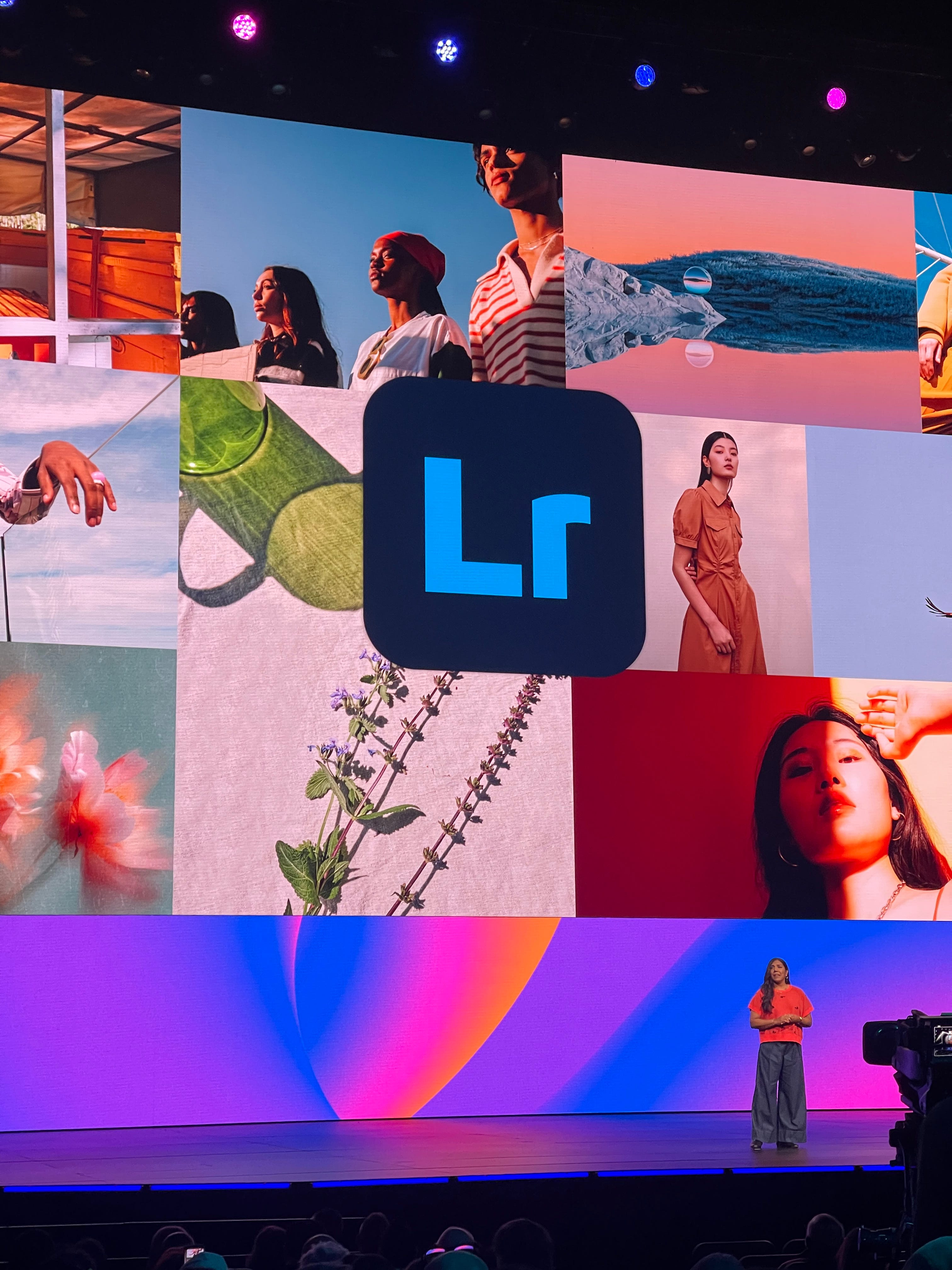
For three days straight, Generative AI was the star of the show. She was baked into every tool, piece of tech, announcement, vendor, and damn near every conversation. By day 4 my head was spinning from the onslaught of GenAI talk promising us quicker/faster/more efficient creating. But to what end? I found myself feeling a bit perplexed — why was I being encouraged to be less involved in my own creative process? Sure, there were a few tools that piqued my interest (like dust removal) but witnessing the majority of the demo’s (especially from MAX Sneaks) left me with a pit in my stomach. While we were constantly being reassured that we are not being replaced by AI I couldn’t help but feel as though I was being pushed toward utilizing tools that would significantly supplement critical components of my creative practice. And for what? To help me churn out “content” faster to add to the already oversaturated pool of visuals that most of us are barely even able to keep up with, let alone meaningfully engage with for clients who treat me and my work as less and less valuable because now they feel like they can just type in a prompt and get whatever they need?... I don’t quite see the upside, especially as I learn more and more about the very real (and current) impacts that this global GenAI push is having on the planet and our people. Adam Mahoney at Capital B broke it down perfectly:
“In towns where residents already face rising utility costs, data centers now account for up to 70% of new energy demand, and since 2020, people who live near them have seen an increase in electricity costs of as much as 267%.
In more rural communities, residents near data centers are reporting that the water in their taps is brown and murky or does not drip out at all. The centers are also leading to at least 200 new power plants being built to meet the new energy demands of AI, according to an analysis of permit applications. Studies show that power plants are most likely to be constructed in Black neighborhoods and worsen the risks of cancer and respiratory disease.
Researchers from Majority Action, an advocacy group focused on increasing sustainable economic investments, have concluded that the growth of data centers is also worsening climate change.”
So in order to make my process potentially a little faster and arguably less interesting, I’m being asked to contribute to:
increasing electricity costs (in the middle of an economic crisis where folks can barely afford groceries),
disappearing fresh water,
choking residents with toxic air,
and accelerating climate catastrophe.
It doesn’t add up — for me.
I don’t want or need tools that make my creative process so automated that it removes opportunities for me to learn, fumble about, make mistakes, connect with others and discover. I want to know the sources of my inspiration, not just be fed mash ups of regurgitated amalgamations. What’s the point of creating if I’m not intimately involved in my own process? I refuse to allow the promise of convenience to strip me of one of the things that makes me feel most human: my creative practice.
And yet, I am still hopeful. It’s clear the pendulum has swing toward bigger/faster/quicker tech — it’s only a matter of time before it swings the other way. And after my time at MAX, I’m confident that I’m not the only one craving slower, more intentional experiences within and outside of our artistic/creative practices. I am so grateful for the fruitful discussions shared with peers, strangers, and even Adobe team members as we all try to understand and find our way through this moment in time together.
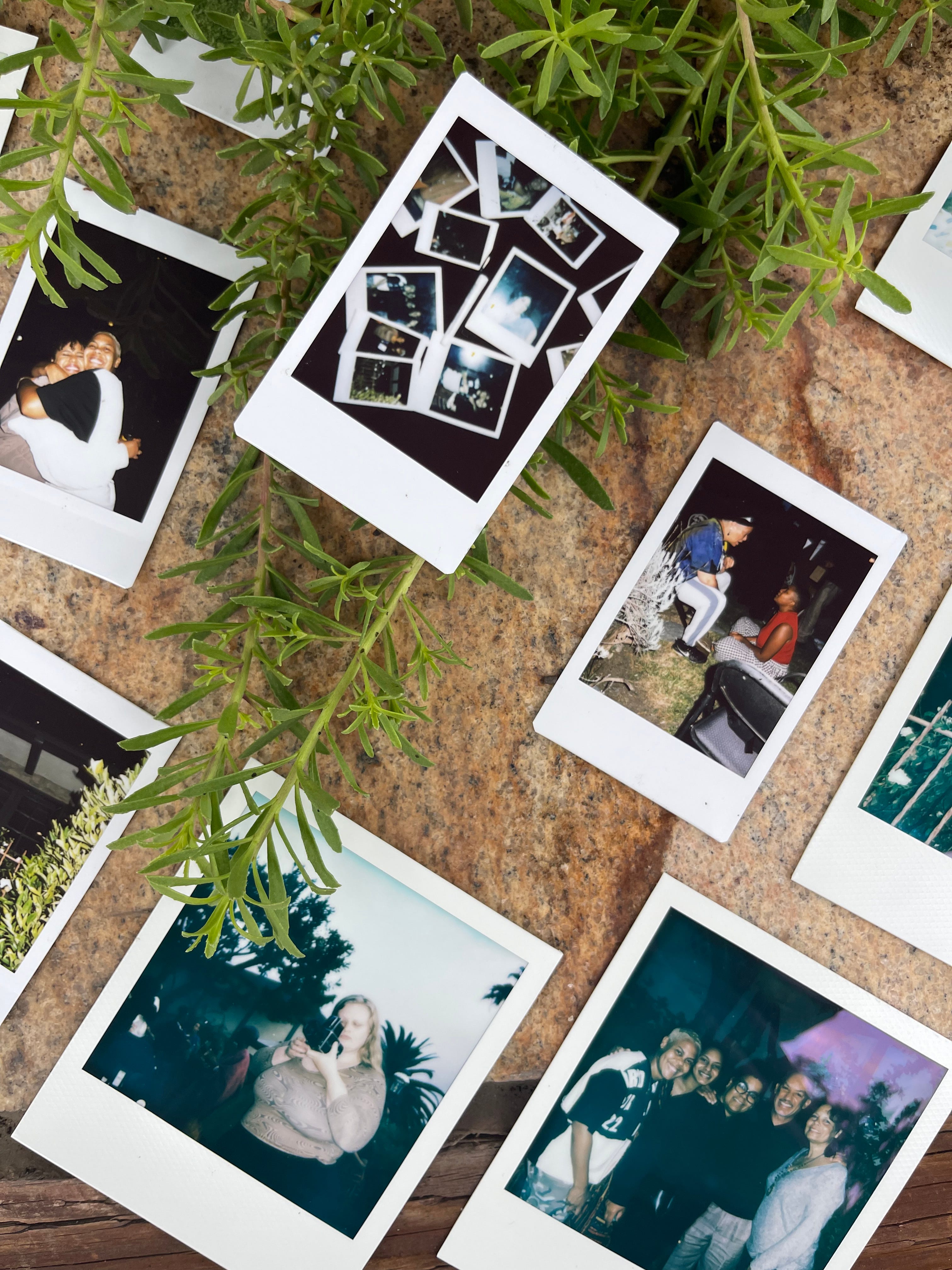
Tucked into one of my swag bags provided by the Lightroom team I found a wonderful surprise: a zine. It was exactly what I needed and reminded me why I’ve always come back to Adobe time and time again.
In a piece titled, Celebrating Analog in a Digital World, Anne Quito wrote,
“Beyond content generation, perhaps it’s the value systems behind AI that come into question in comparison to traditional creative methods. If algorithms promise speed, scale, and bland perfection, more time-consuming tactics are conduits for satisfyingly weird and original thinking … as AI becomes more powerful and pervasive, the desire for a hands-on counterpoint feels more acute and more personal...”
We cannot artificially generate our way into meaningful creative expression — the magic comes from the messiness of being human. MAX has given me the gift of perspective and helped me see myself and CALL ME ZZ with even more clarity. That aching for more impactful, deeply human experiences has led me to host phone-free archival parties/workshops (recap coming soon), create a series of zines (they’re up, grab yours now before they’re gone !), and explore new ways of merging my archival and creative processes. I left MAX with a new commitment: to spend the rest of my time on this planet being as human as humanly possible.
Thanks for sharing this! I have been watching adobe at large and adobe MAX lean more and more into AI and have felt pretty in the dumps about how they are harming the livelihood of artists who have single-handedly supported their business for decades. It’s disheartening especially when combined with the environmental realities of the technology.
However, I appreciate your perspective. It’s encouraging to know that there are people in the Adobe sphere that understand the complicated nature of the beast. I love that tact you are taking because it is truly in our hands to keep our work OURS. Even while the world tries to tell us it’s better to let go and adapt to this new age.
We love story time w/ Lex. You are so on!
+ You are not alone in craving slower, more intentional experiences within and outside of our artistic/creative practices. 1000%